
In brief
John Bennett Robbins was a New York-born Jewish physician who spent his career at the problem of children dying of meningitis. Haemophilus influenzae type b was a name parents learned too late. He wanted a vaccine the infant immune system could actually see.
With Rachel Schneerson at the National Institutes of Health he built a conjugate vaccine: a bacterial sugar joined to a protein so a baby’s defenses would notice it. The idea is now standard. In the 1980s it was a stubborn, elegant bet.
When the shots rolled out, Hib meningitis collapsed in the United States and then elsewhere. Robbins did not become a household name. Pediatric wards got quieter. That was the point.
The partnership with Schneerson is the story: two Jewish scientists in a federal lab, a disease of toddlers, a method borrowed and improved. The directory lists them because the accomplishment is measurable in cribs, not in slogans.
Photographs
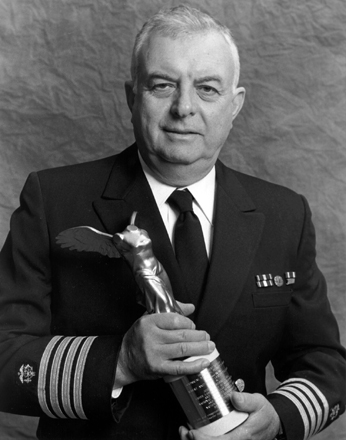
Hero photograph: NIH photography


