

In brief
Thomas Sowell (born June 30, 1930) is an American economist, social theorist, and senior fellow at Stanford University's Hoover Institution. Born into poverty in Gastonia, North Carolina, during the Great Depression, Sowell was raised by his great-aunt in Harlem after moving there at age nine, later serving in the U.S. Marine Corps during the Korean War era before earning a bachelor's degree magna cum laude from Harvard University, a master's from Columbia University, and a PhD in economics from the University of Chicago under mentors George Stigler and Milton Friedman. His academic career included teaching positions at institutions such as Cornell University, Brandeis University, Amherst College, and UCLA, culminating in his role as the Rose and Milton Friedman Senior Fellow on Public Policy at the Hoover Institution since 1980.
Sowell has authored more than forty books and numerous scholarly articles, focusing on empirical analyses of economics, race, culture, education, and social policy, often challenging prevailing assumptions with evidence of trade-offs, incentives, and the limitations of centralized knowledge in decision-making. Key works include Basic Economics, which elucidates economic principles without jargon; Knowledge and Decisions, exploring the dispersed nature of knowledge and its implications for policy; and Discrimination and Disparities, which argues against single-factor explanations for group differences in outcomes. His writings emphasize causal factors such as cultural norms and behavioral patterns over simplistic attributions to discrimination or systemic barriers, critiquing government programs like welfare and affirmative action for unintended negative consequences on targeted groups. Among his honors are the National Humanities Medal awarded in 2002 and the Bradley Prize in 2003 for outstanding intellectual achievement. Sowell's contrarian perspectives, grounded in data rather than ideology, have earned him recognition as one of the most influential living economists, particularly for illuminating how policies affect minorities and the poor through rigorous, first-hand empirical scrutiny.
Photographs

Hero photograph: Wikipedia / Wikimedia Commons
Sources
Related
People
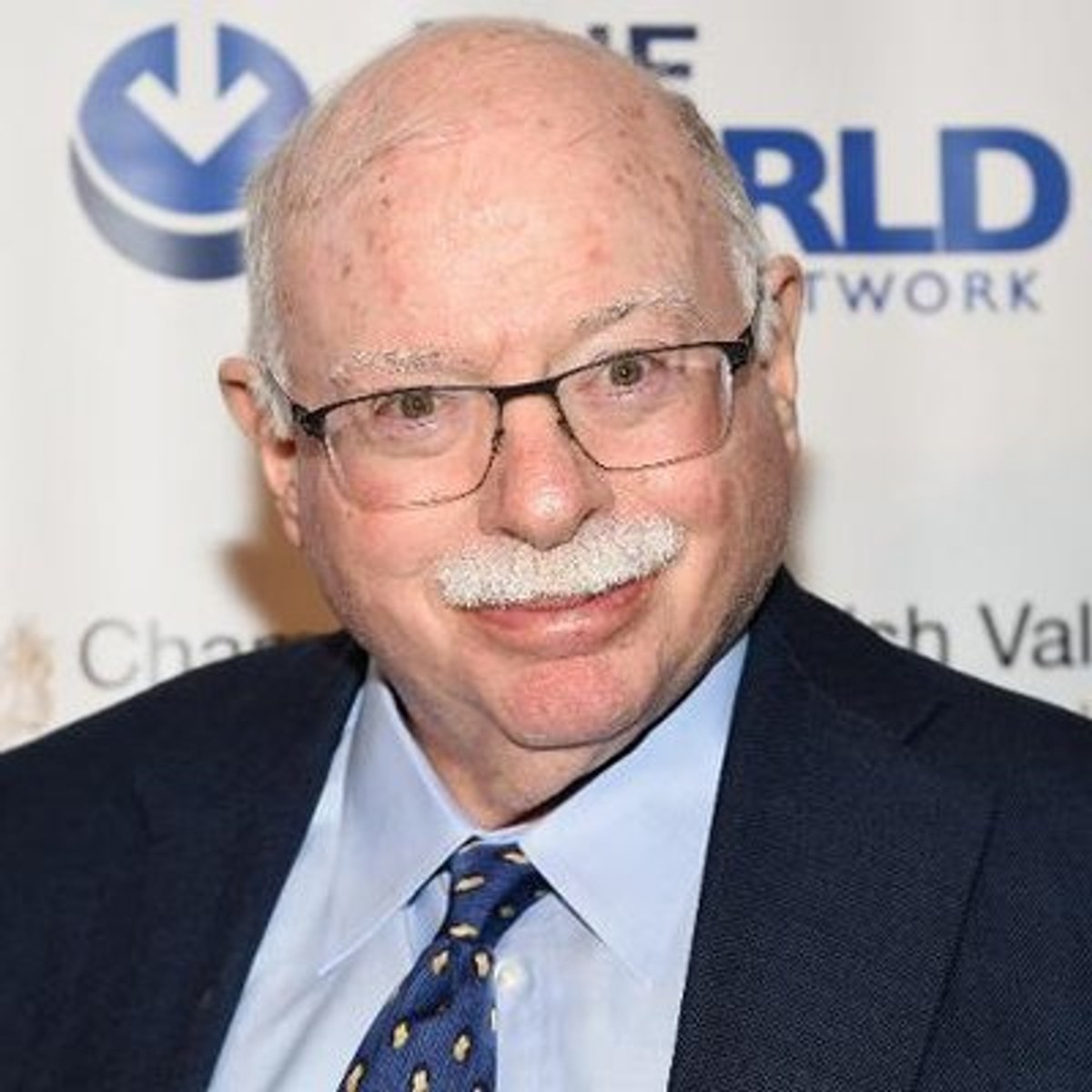
Michael Steinhardt
1940–
Michael Steinhardt (born December 7, 1940) is an American billionaire investor, hedge fund pioneer, and philanthropist whose career spans high-stakes trading,…

People
A. J. Dillon
1998–
American football player (born 1998)

People
Aaron Copland
1900–1990
Aaron Copland (November 14, 1900 – December 2, 1990) was an American composer, pianist, conductor, and teacher who forged a uniquely American classical music…